Faceless Content: What It Is, Types, Examples & How to Start
Faceless content is video (or audio) where the creator never appears on camera. The story is carried by a voiceover, on-screen text, stock or AI-generated visuals, screen recordings or gameplay. Think of a history Short narrated over old photos, a Reddit story read over gameplay, or a recipe filmed from above with only hands in the frame.
It's popular for a simple reason: you can build an audience without being recognized, without filming yourself, and often without filming at all.
This guide covers the main types of faceless content, what it's good and bad at, the platform rules you need to know, and how to start.
Types of faceless content
Type | What viewers see | Example | Effort per video |
|---|---|---|---|
Narrated stories | Voiceover with images, subtitles and music | Scary stories, Reddit stories, bedtime stories | Low with AI tools |
Facts and explainers | Short facts over visuals or simple animation | "5 things you didn't know about the ocean" | Low |
History and documentary | Narration over photos, maps and archive footage | A 60-second story of a battle or an invention | Medium |
Motivation and quotes | Voice or text over cinematic footage | Daily motivation clips | Low |
Screen recordings and tutorials | Your screen, with voice or captions | Software how-tos, spreadsheet tips | Medium |
Gameplay and commentary | Game footage, with or without voice | Walkthroughs, split-screen story videos | Medium |
Hands-only filming | Hands and objects, no face | Recipes, crafts, unboxings, ASMR | High: you still film |
Animation and AI characters | Drawn or AI-generated scenes | Animated explainers, AI story series | Low to high |
The first four types are the ones AI tools can produce from start to finish: script, voice, visuals and captions. The others still need you to record something.
Looking for specific ideas? See our 50 faceless reel ideas and 40 faceless YouTube channel ideas.
Pros and cons of faceless content
Pros | Cons |
|---|---|
Privacy: nobody needs to know it's you | Harder to build personal trust; viewers follow the topic, not you |
No camera, lighting or on-screen confidence needed | Easy to copy, so popular niches fill up fast |
Easy to batch and schedule ahead | Low-effort, repetitive videos can lose monetization (see rules below) |
Works in any language with AI voices | Brand deals often prefer a visible creator |
You can run more than one channel | Quality depends on your script and idea, not your personality |
It suits you if you'd rather write and research than perform, you want a side project that doesn't depend on your daily energy on camera, or you want to test several niches quickly.
It's a weaker fit if your plan depends on a personal brand, such as coaching or consulting, where people buy from someone they've seen and heard.
Platform rules for faceless content
Faceless content is allowed on every major platform. What platforms penalize is low-effort, mass-produced video, with or without a face.
YouTube's "inauthentic content" policy is the one to know. YouTube says this kind of content "has always been ineligible for monetization", and its clarifications give concrete examples of what doesn't qualify:
- Videos that only read out material you didn't create.
- "Image slideshows or scrolling text with minimal or no narrative, commentary, or educational value."
- Template-made videos that feel the same across a channel, for example characters "put in the same situation over and over again with the same outcome".
- AI clips stitched together without a story.
- AI personas posing as human experts on health, legal, financial or political topics.
Using AI is not the problem. Per Tubefilter's summary of YouTube's July 2026 update, using AI people in videos is otherwise allowed, and creators stay in good standing by adding their own original perspective.
What this means in practice:
- Write or edit the script yourself, or at least choose the angle. Don't post raw AI output unread.
- Give each video a real point: a story with an ending, a fact with context, a clear takeaway.
- Vary your videos. If every upload uses the same structure and the same outcome, change it.
- Label AI-generated content where the platform asks you to. YouTube and TikTok both have a setting for it.
- Stay away from AI "experts" giving medical, legal or financial advice.
How to start making faceless content in 5 steps
- Pick one niche and one format. Choose a topic you can make 100 videos about, and one type from the table above. Narrow beats broad: "scary stories from real hikers" is easier to grow than "stories". Our faceless reel ideas list can help you choose.
- Write a short script with a hook. The first two seconds decide whether people stay. Open with the most surprising line, then deliver one clear idea in 30 to 60 seconds.
- Produce the video. You can assemble voiceover, visuals and captions by hand in an editor (see our CapCut status and alternatives guide), or use a tool that creates faceless reels for you from a theme or prompt.
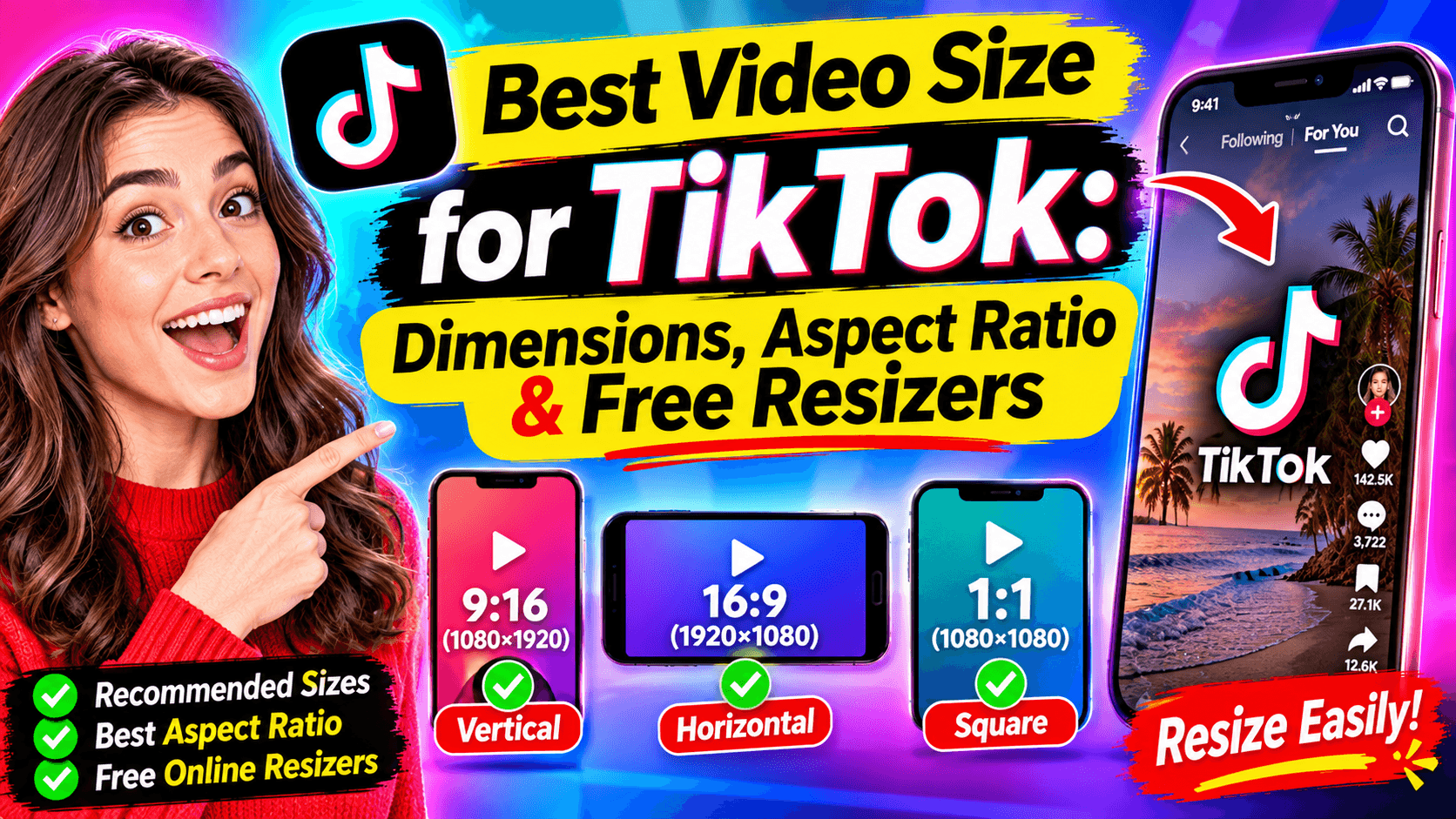
- Export vertical and add captions. Use 1080 x 1920 (9:16) and burned-in subtitles, because many people watch with the sound off. The same file works on TikTok, Reels and Shorts.
- Post on a schedule and review weekly. Consistency matters more than volume at the start. Check which videos hold viewers longest and make more like those. If you're starting on Instagram, see how to become a faceless content creator on Instagram Reels.
If you want the posting handled for you: AutoReels creates the video from your chosen theme or prompt and posts it to TikTok, YouTube, Instagram and Facebook on a schedule, from 3 videos a week. You stay in charge of the niche, the angle and the review.
FAQ
What is faceless content? Video or audio where the creator doesn't appear on camera. Voiceover, text, stock or AI visuals, screen recordings or gameplay carry the story.
What are examples of faceless content? Narrated story videos, fact and explainer Shorts, history clips, motivational videos, software tutorials, gameplay, hands-only cooking or craft videos, and animation.
Can you make money with faceless content? Yes, through the same routes as any creator: platform monetization programs, affiliate links, your own products and sponsorships. Each platform has its own eligibility rules, and low-effort repetitive videos can be excluded from monetization.
Is faceless content allowed on YouTube? Yes. YouTube doesn't require you to show your face. It does exclude "inauthentic content" from monetization, such as slideshows with no commentary or template videos repeated across a channel.
Can I use AI to make faceless content? Yes. AI voices and visuals are allowed. Add your own angle, vary your videos, and use the platform's AI label where it applies.
Do I need to show my voice? No. Many faceless channels use AI voiceover or text-only videos with music.
What's the difference between faceless content and faceless reels? Faceless content is the broad category across all formats and lengths. Faceless reels are the short vertical version made for Instagram Reels, TikTok and YouTube Shorts.