The Permission Check: What Creators Should Verify Before Publishing AI-Generated Videos
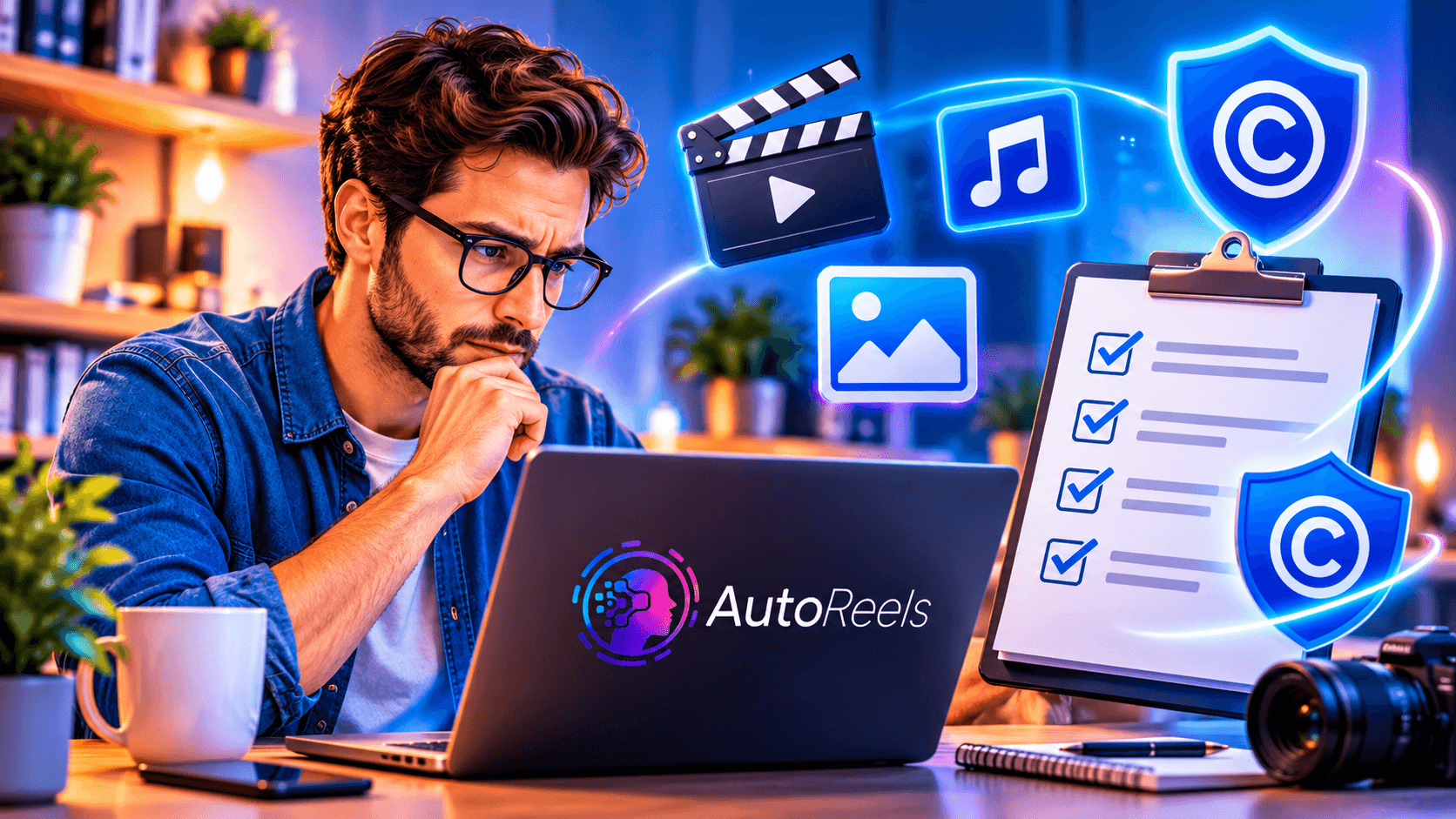
A creator generates a polished product video using AI. The visuals look professional, the narration sounds natural, and background music gives the clip the right atmosphere. Before publishing it as an advertisement, however, the creator realizes that one visual resembles a recognizable brand character and the music's licensing conditions are unclear.
The video is finished, but is it ready to publish?
Generating a video and having permission to use every element inside it are two different things. Creators need to consider the rights attached to source materials, audio, identities, and the generated output itself before sharing content publicly.
Creating a Video Does Not Automatically Clear Every Right
An AI tool may generate a complete video, but that does not settle every copyright or permission question. The platform's terms may explain who owns the generated output, while individual elements can involve separate rights.
Think of three different questions:
Ownership: What do the service terms say about who owns the generated video?
Copyright protection: Does applicable law recognize copyright in the output, and what human creative contribution may matter?
Permission: Are you authorized to use all the third-party materials, identities, and assets involved?
These questions are related, but they are not interchangeable. The World Intellectual Property Organization's guide to generative AI and intellectual property highlights the uncertainty surrounding ownership and intellectual property rights in AI-generated outputs, as well as the importance of understanding contractual terms.
Check the Rights Behind Each Video Element
Visuals, Images, and Logos
AI-generated visuals do not remove the need to check uploaded or referenced material. A creator might provide a product photograph, company logo, illustration, or image found online as inspiration or source material.
Before using it, consider whether you created it, licensed it, or received permission from the rights holder. A publicly accessible image is not automatically free for commercial use. The same applies to artwork, photographs, and recognizable branded material.
Music and Audio
Background music can involve more than one protected work. A song's composition and its particular sound recording may have different rights holders and licensing conditions.
The U.S. Copyright Office explains this distinction in its guide to musical works and sound recordings. This is particularly relevant when a creator wants to reuse music across advertising, monetized channels, or several social platforms.
A track available through one platform's music library may have conditions that do not cover external advertising or redistribution. Check the license's permitted platforms, commercial uses, duration, and any attribution requirements.
Voice and Personal Likeness
A generic AI narration voice is different from a voice designed to imitate a recognizable person. Using someone's voice, image, or likeness without authorization can raise privacy, publicity, advertising, or other legal concerns, depending on the circumstances and jurisdiction.
Be particularly careful when a video makes a real person appear to recommend a product or support a business when they have not agreed to do so. The U.S. Copyright Office's AI and digital replicas guidance discusses issues involving realistically created or manipulated depictions of individuals. These concerns can extend beyond copyright itself.
Scripts and Written Material
A script generated from a topic is not automatically a problem, but copying another creator's article, advertisement, or original writing without permission can create risks. Review source material before adapting it. Rewrite from authorized references, use original writing, and check whether quoted or reproduced material requires permission.
What Does Ownership of an AI-Generated Video Actually Mean?
AutoReels' Terms of Service state that videos created through its service are owned by the user. That is an important contractual statement, but it should not be interpreted as a guarantee that every source asset or recognizable identity inside a video is cleared for every possible use.
Copyright protection is also a separate question. In the United States, the Copyright Office explains that AI-generated outputs may qualify for copyright protection when sufficient human-authored expressive elements are present. A prompt alone does not automatically establish human authorship under its current analysis.
This is U.S. guidance, not a universal rule. Other countries may apply different approaches, and the legal treatment of AI-generated material continues to develop. Creators should avoid assuming that a platform's ownership wording settles every legal question.
Commercial Use Requires Extra Attention
A video used privately is not the same as one used to promote a business, sell a product, or earn revenue. Before using AI-generated content in these situations, check whether the relevant licenses permit:
Paid advertising and sponsored campaigns.
Affiliate promotions and product demonstrations.
Monetized social media channels.
Client projects and commissioned content.
Reuse across multiple platforms and territories.
For example, a creator may have permission to use a photograph in a personal project but not in a paid advertisement. Similarly, a music license may permit use in one environment but restrict commercial redistribution elsewhere.
If a video implies that a real person endorses a product, confirm that the endorsement is authorized and that any required advertising disclosures are handled. Rules vary by jurisdiction and platform.
The Pre-Publication Permission Checklist
Before scheduling or publishing, review these questions:
Did I create the source material, or do I have permission to use it?
Are uploaded images, visual references, logos, and artwork authorized?
Have I checked the AI tool's current terms governing generated output?
Do I have appropriate rights to the music and audio?
Does the video use a real person's identity, voice, or likeness?
Could the content imply an endorsement that was never authorized?
Do the relevant licenses allow my intended commercial use?
Have I checked the destination platform's current content and music policies?
Can I keep records of licenses, permissions, and relevant terms?
A short review before publication is easier than trying to resolve a rights complaint after a video has been distributed.
Build a Responsible Publishing Workflow
Make rights checks part of the production routine rather than an occasional emergency task. Keep a record of where source materials came from, save licenses and permission messages, review music conditions, and check platform requirements before publishing.
For client work, clarify who is responsible for supplying authorized assets and who approves the final video. When an important permission is uncertain, pause publication and seek clarification. For specific commercial disputes or legal questions, consult a qualified legal professional in the relevant jurisdiction.
Use AI Creation Tools With Clear Publishing Decisions
AutoReels supports short-form video production by generating scripts, visuals, AI narration, subtitles, and background music. Its AI Video Generator describes the process of creating a video from a topic or prompt, while its AI Video Soundtrack explains how narration and themed music are combined.
The platform's Terms of Service state that users own videos created through the service. Still, creators should review the current terms and consider any relevant third-party restrictions. These product features do not mean AutoReels automatically checks copyright, music licenses, or likeness permissions.
The goal is not to make video production complicated. It is to make publication more responsible. A few checks before sharing can help creators protect their work, respect other people's rights, and publish with greater confidence.